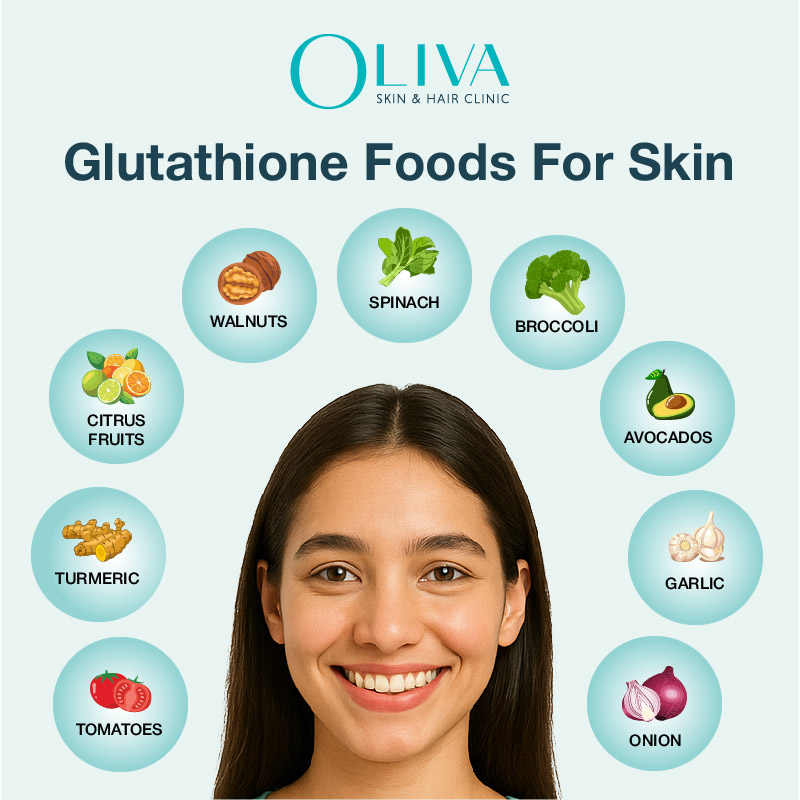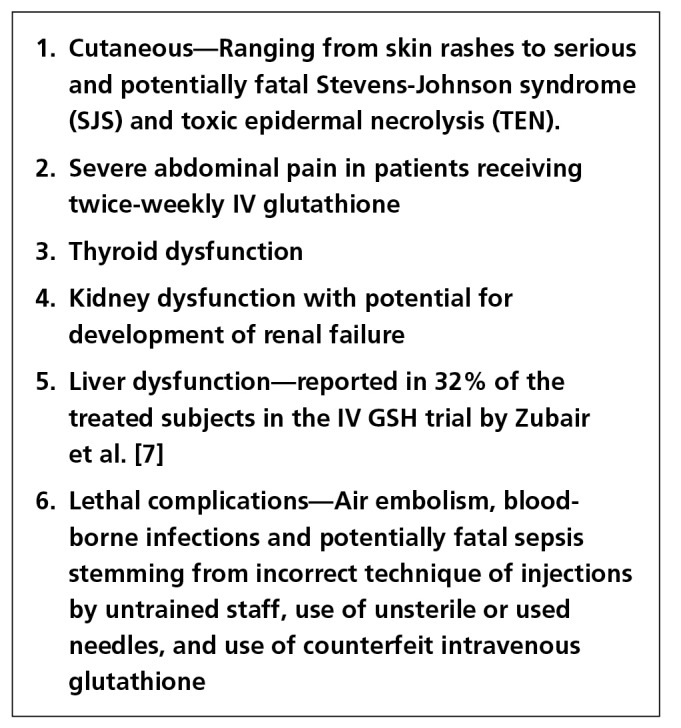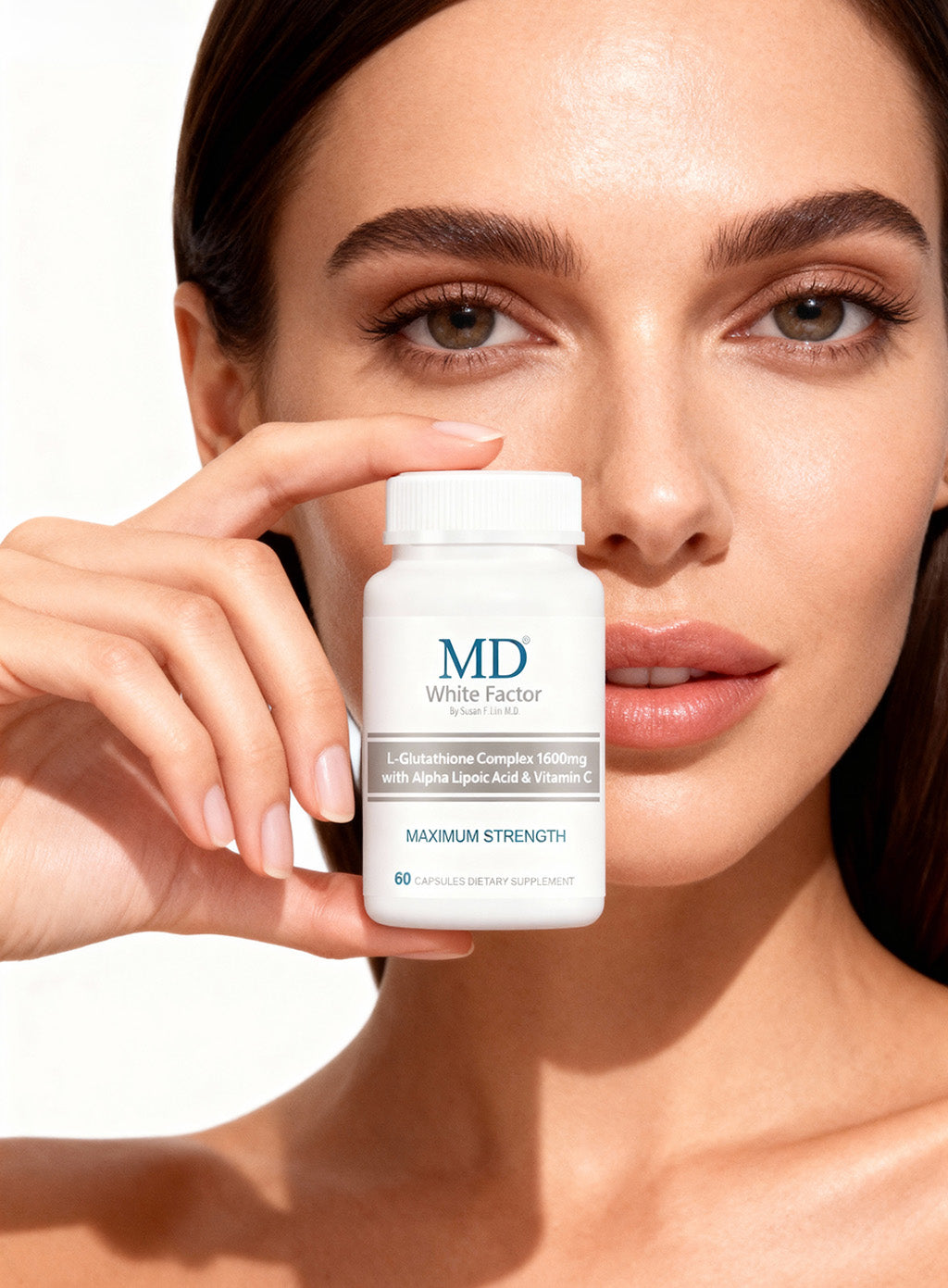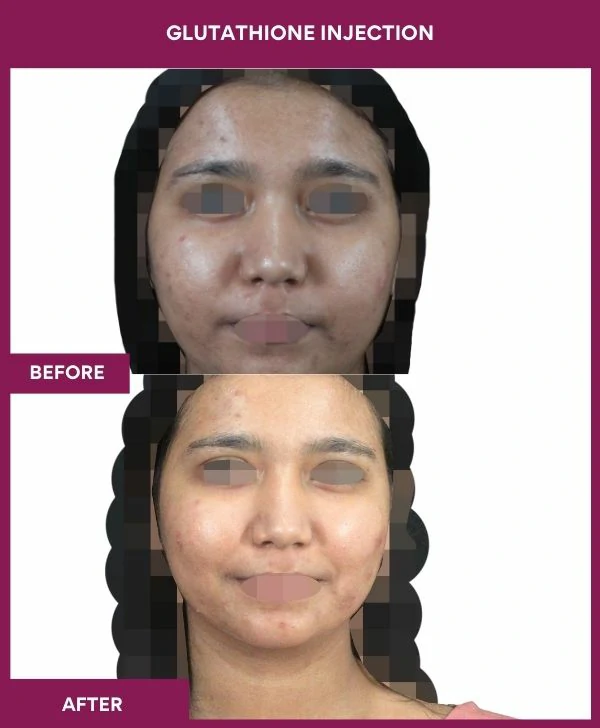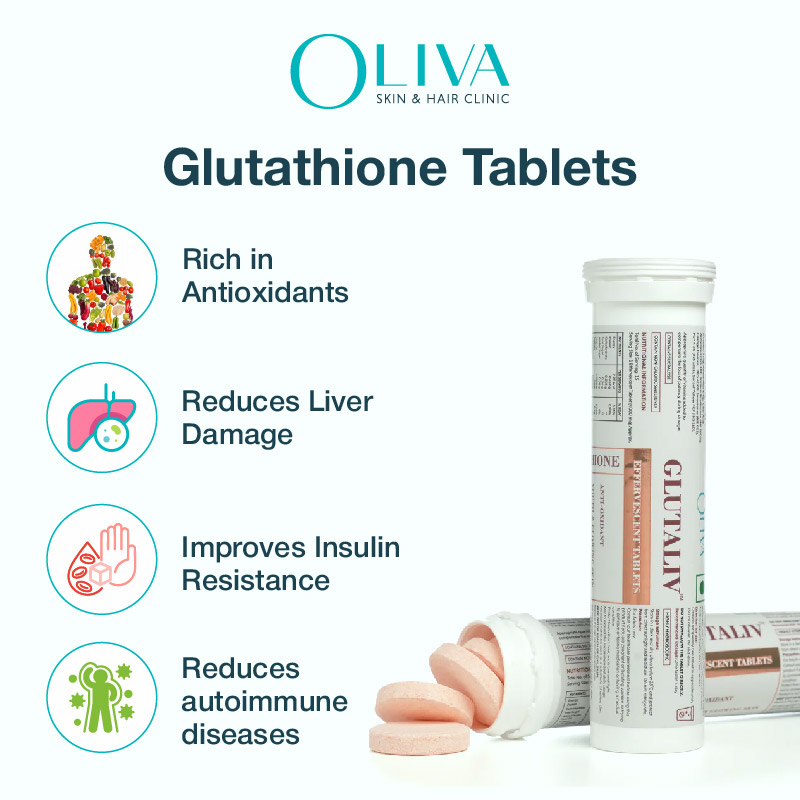
Glutathione is naturally produced in the liver and is considered one of the bodys most important antioxidants, responsible for neutralising free radicals, supporting detoxification, and reducing oxidative stress
Hydroxyethyl starch inhibits glycocalyx-degrading enzymes, facilitating the restoration of glycocalyx thickness and enhancing expression of VE-cadherin, occludin, and zonula occludens-1, reducing albuminfluorescein isothiocyanate infiltration, and improving pulmonary vascular permeability [45]

Studies have shown that BPC-157 [8]: Modulates GABA receptor function Influences dopaminergic system activity Affects serotonergic pathways May help normalize neurotransmitter imbalances caused by various toxins These effects contribute to BPC-157's observed: Anxiolytic (anti-anxiety) properties in animal models Protection against dopaminergic neurotoxins Potential applications in alcohol withdrawal and drug-induced neurological damage Gut motility regulation Angiogenesis Promotion Beyond VEGF upregulation, BPC-157 promotes angiogenesis through multiple coordinated mechanisms [9]: Direct stimulation of endothelial cell proliferation Enhanced endothelial cell migration Improved capillary tube formation Blood vessel maturation and stabilization Collateral vessel development around blocked arteries This robust angiogenic effect helps explain why BPC-157 appears effective for tissues with naturally poor blood supply (tendons, ligaments, cartilage) and why it may support recovery from ischemic injuries

Protective effect of rutin on ferroptosis-induced oxidative stress in aging laying hens through Nrf2/HO-1 signaling